
Midwife & Doula: Roles, Responsibilities, and How They Complement Each Other
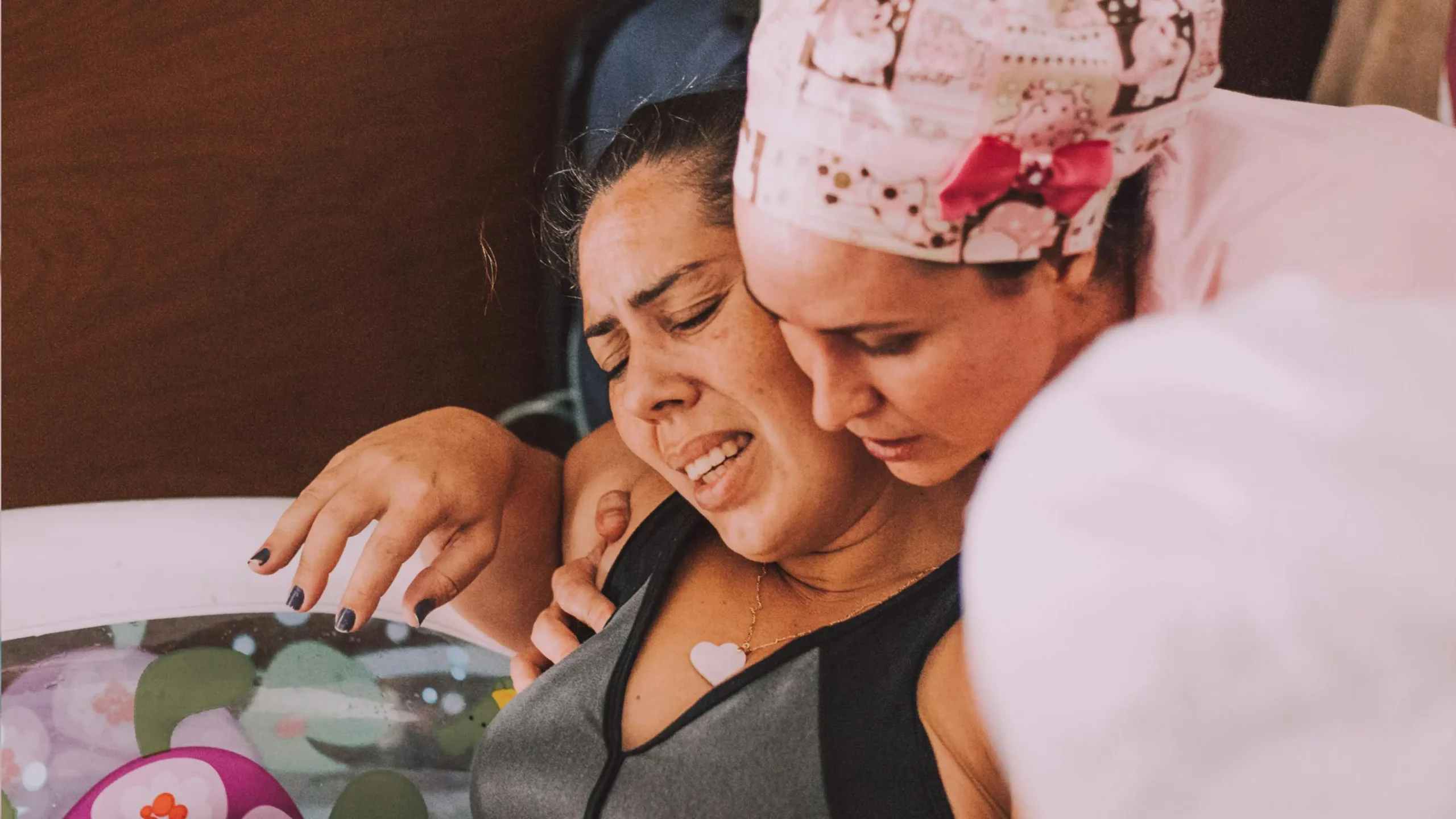
At bitbaby, we’re passionate about making sure you feel calm, informed, and supported throughout pregnancy, labour, and birth. We know that this journey isn’t taken alone – it takes a team. One of the most important ways to build your birth team is understanding who can be there with you and how their roles differ and overlap.
Two of the most commonly mentioned birth support roles are midwives and doulas. While they are very different in training and responsibilities, they work beautifully together to support you emotionally, physically, and attend to your needs. In this article, we’ll explore what each role involves – and how they can complement each other to create a strong, supportive birth experience.
What is a Midwife?
A midwife is a trained health professional who specialises in supporting women through pregnancy, labour, birth, and the postnatal period. In the UK, midwives are registered with the Nursing and Midwifery Council (NMC), and as part of their role, are proficient in providing high standards of care in all aspects of pregnancy, childbirth and care for mother and baby.
Midwives are responsible for:
- Monitoring the health of mother and baby
- Carrying out clinical assessments and tests
- Advising on pain relief options
- Making decisions about medical interventions when needed
- Guiding the birth of the baby
- Midwives can work in hospitals, birth centres, or support home births. Depending on where you choose to birth your baby, you may have a team of midwives, or one-to-one care.
- Consistent emotional support throughout pregnancy and labour
- Help with birth preparation and understanding your options
- Comfort measures like massage, breathing techniques, and position changes
- Support for birth partners
- Postnatal support (e.g. infant feeding, emotional recovery)
What is a Doula?
A doula is a trained birth companion whose focus is on emotional and physical support – not clinical care. Doulas do not provide medical advice or assist in the birth of babies, but they are there to “mother the mother” through pregnancy, birth, and the postnatal period.
Doulas offer additional care with emotional support throughout pregnancy and labour, help with birth preparation, comfort measures like massage, breathing techniques, and position changes. They can support you as new parents with infant feeding, emotional recovery as well as keeping things in order around home while you focus on the new baby.
Doulas often build strong, ongoing relationships with the families they work with, and they can be an incredible source of reassurance and encouragement.
How Midwives and Doulas Compliment Each Other
Midwives and doulas have different scopes of practice, but when working together, they create a powerful support system. Both the Midwife and doula work in partnership and collectively, their skills enhance a birth experience.
Together, they help make sure you feel safe, seen, and supported.
Building Your Team
Every pregnancy is unique, and so is every birth. When people understand the roles and strengths of their birth team, they’re more likely to have a positive and empowered birth experience.
At bitbaby, we’re here to advocate for your choices, your comfort, and your calm. Knowledge is power – and knowing who’s in your corner can make all the difference.
Want to learn more about preparing for birth with confidence and clarity? Check out our online course, Midwife-Led Labour, Birth Preparation, and Hypnobirthing today!
You deserve to enjoy your labour, birth, and parenthood journey.
Know what to expect, feel in control, and be heard with our online, midwife-led hypnobirthing course.
About bitbaby
While you’re here, we’d love to tell you a bit about us.
A regular pattern of movements is a key indicator of your baby’s well-being during pregnancy.
Women don’t always know how to recognise a regular pattern of movements for their baby and don’t know what they should be checking for. This leads to increased anxiety. When they do think something isn’t quite right, they don’t feel confident and they doubt themselves so don’t seek advice straight away.
We’re developing a device that will monitor your baby’s movements during pregnancy from 24 weeks onwards so that you can have a better understanding of your baby’s regular pattern of movements.
To read more helpful blogs visit our pregnancy blog.
Help us develop bitbaby
We are looking for feedback on our device and would love to hear your thoughts. Sign up to get involved.
By clicking ‘Subscribe’ you agree to Terms & Conditions